Fix Hair Clippers Not Cutting: 7 Expert Solutions
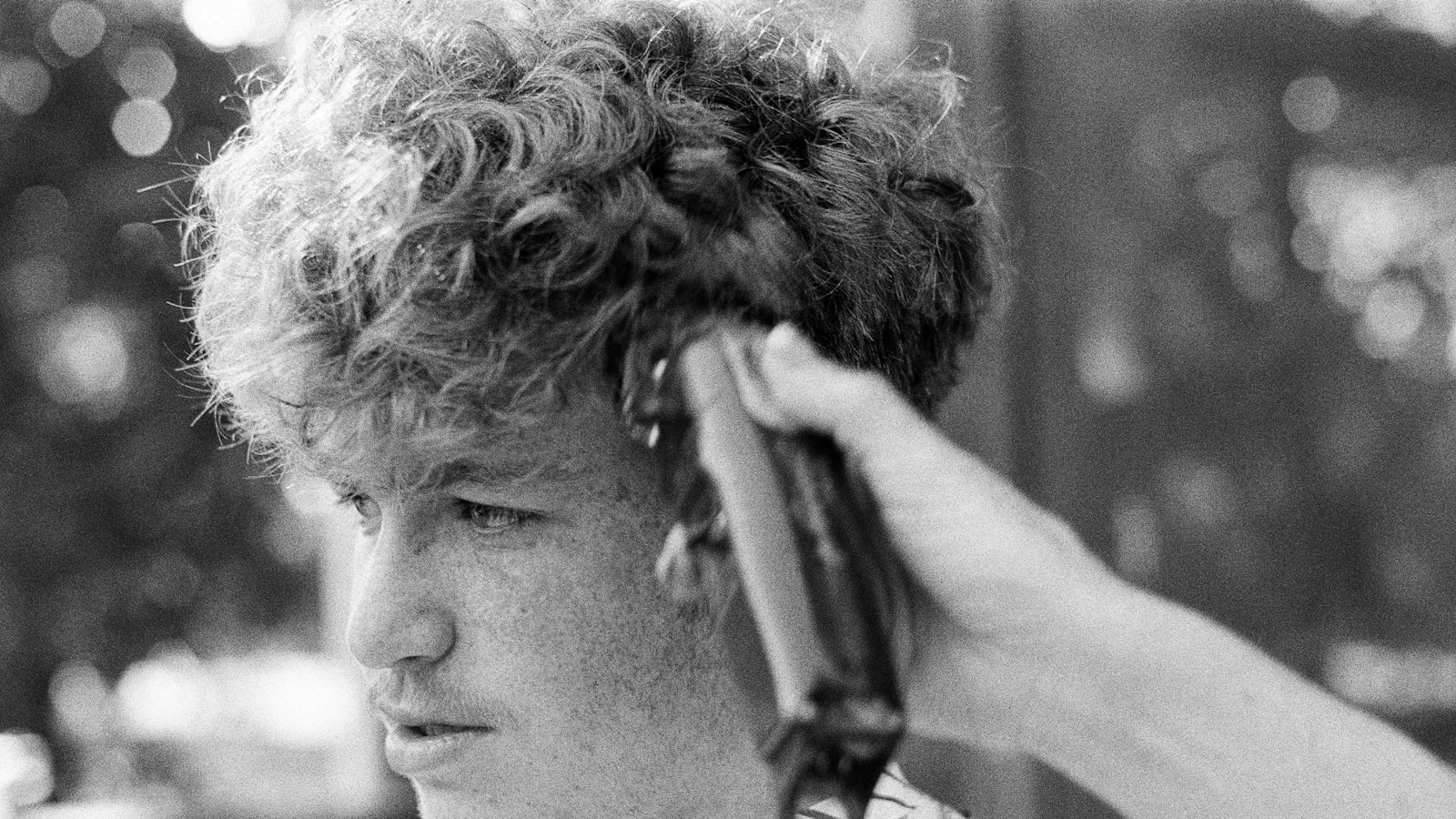
Photo by Stone Hood on Unsplash
We don’t quote prices for third-party products: list prices change often and we can’t verify them for you. Check the vendor’s or retailer’s own current listing.
Disclosure: Some links below are affiliate links. If you buy through them we may earn a small commission at no extra cost to you. This never affects our recommendations.
Key Takeaways
Hair clippers not cutting properly can be due to dull blades, improper blade alignment, or clogged clippers. 7 expert solutions can fix the issue, including blade sharpening and maintenance.
Part of our complete guide: for the full picture, see Hair Clippers #6 Guard: What It Actually Does & How to Use It.
Quick Comparison
Here’s a concise comparison of the tools and products mentioned in the post for maintaining hair clippers.
| Tool | Best for | Key Limitation |
|---|---|---|
| Wahl Clipper Oil | Lubricating blades | Not suitable for deep cleaning |
| Andis Clipper Cleaning Solution (Cool Care Plus) | Sanitizing and dissolving debris | Read the can: what it does and doesn’t replace varies by formulation |
| Oster Cryogen-X Blades | Replacing worn/damaged blades | Check the fitment against your own model before ordering |
| Wahl Clipper Maintenance Kit | Routine oiling and cleaning | Check the blade guard fits your clipper before you rely on it |
Understanding Hair Clipper Mechanics
Hair clippers are designed to cut hair with precision and efficiency. Blade alignment and sharpening are crucial for optimal performance.
The clippers’ motor drives a series of moving blades that oscillate fast enough to shear hair on contact; the exact stroke rate varies by model and is listed in your clipper’s own manual. That speed is only half the job. However, if the blades are dull or misaligned, the clippers will struggle to cut properly.
How Hair Clippers Cut Hair
The cutting process involves the moving blades intersecting with a stationary comb, which guides the hair into the blades’ path. Andis and Wahl are two prominent brands that manufacture high-quality clippers with advanced cutting systems. For instance, Andis’ UltraEdge blades are designed for precise cutting and long-lasting performance. When the blades are sharp and properly aligned, they can cut hair cleanly and efficiently. But if the blades are worn out or clogged with hair, the clippers will not cut properly.
Ever wondered why hair clippers sometimes leave uneven cuts or pull on the hair? It’s often due to improper blade alignment or sharpening. To avoid these issues, it’s essential to regularly inspect and maintain your clippers. Checking the blades for damage or wear and tear can help prevent common problems. For most users, Wahl’s clipper oil is a good choice for lubricating and maintaining the blades.
Common issues that can cause hair clippers to not cut properly include clogged clippers, dull blades, and improper blade alignment. By understanding how hair clippers work and taking steps to maintain them, you can ensure optimal performance and achieve clean, precise cuts.
Inspecting and Maintaining Your Hair Clippers
To keep your hair clippers running smoothly and cutting properly, regular inspection and maintenance are crucial. A well-maintained clipper can last for years, while neglect can lead to premature wear and poor performance.
Inspecting your clippers for damage or wear is the first step. Check the blades for nicks, corrosion, or unevenness. Dull blades are the most common cause of poor cutting performance. Also, examine the motor for signs of overheating, such as burn marks or a strong burning smell. Check the cords and plugs for damage or fraying.
Cleaning and Maintenance
Cleaning your hair clippers is essential to prevent clogging and maintain performance. Use a soft brush to remove hair clippings and debris from the blades and motor. For more thorough cleaning, use a clipper cleaning solution such as Andis Cool Care Plus to sanitize and lubricate the blades. Regular oil application is also necessary to keep the blades running smoothly. Apply a few drops of clipper oil to the blades after each use.
To extend the life of your hair clippers, store them in a dry place away from direct sunlight. Avoid exposing them to extreme temperatures or humidity. Regularly sharpening the blades can also help maintain performance and prevent premature wear. For most users, sharpening the blades every 1-2 months is sufficient. However, if you use your clippers frequently, you may need to sharpen them more often.
Tips for Extending Clipper Life
For heavy users, consider a clipper maintenance kit — the ones worth buying bundle a cleaning solution, blade oil and a sharpening stone in one box. This can help you keep your clippers in top condition and extend their lifespan. By following these simple maintenance steps and tips, you can ensure your hair clippers continue to cut properly and last for years to come.
Troubleshooting Common Issues
Hair clippers not cutting properly can be frustrating, but most issues can be resolved with simple troubleshooting. Dull blades are often the culprit, but improper blade alignment and clogged clippers can also cause problems.
Dull Blades
Dull blades are the most common reason for hair clippers not cutting properly. Motor speed does not compensate for a blunt edge: even the fastest clipper drags when the blades are dull. To check for dullness, try cutting a piece of paper - if the blades struggle to cut, it’s time to sharpen or replace them. A blade sharpening tool will bring the edge back.
Improper Blade Alignment
Improper blade alignment can also cause hair clippers to not cut properly. If the blades are not aligned correctly, they won’t be able to cut hair evenly, leading to patches and uneven cuts. To check the blade alignment, turn off the clippers and inspect the blades - if they’re not aligned, you may need to adjust or replace them. Misalignment usually comes from ordinary wear or from a knock that shifts the blade set, so make checking it part of regular maintenance.
Clogged Clippers
Clogged clippers can also prevent them from cutting properly. Hair clippings and debris can accumulate in the clippers and prevent the blades from moving freely, leading to poor cutting performance. To clean your clippers, use a soft brush to remove any hair or debris, and then wipe them down with a cloth and some oil - like the Wahl Clipper Oil. Regular cleaning can help prevent clogs and keep your clippers running smoothly.
For most users, a combination of regular maintenance, blade sharpening, and proper cleaning can resolve common issues with hair clippers not cutting properly. By following these simple steps, you can keep your clippers in top condition and ensure they continue to cut well. If you’re still having trouble, it may be worth considering a new pair of clippers - like the Andis T-Outliner, which is known for its high-quality blades and durable design.
Advanced Troubleshooting Techniques
Hair clippers that still refuse to cut after basic maintenance need deeper diagnostics. Here’s how to isolate motor, blade, or power issues—and when to call in a pro.
Diagnosing Motor Problems
If your clippers hum but don’t cut, the motor might be struggling. First, remove the blade assembly and run the clippers. If the motor spins freely without load but bogs down when the blade is reattached, the issue is likely mechanical resistance—either from misaligned blades or a worn drive mechanism.
For corded models, check the power supply with a multimeter. Compare what you measure against the input voltage printed on the clipper’s own label: a reading well under that rating points at the cord, the plug or the outlet rather than at the blades. For battery models, measure the pack under load and compare it with the rated voltage marked on the battery itself. A pack that sags well below its own rating is exhausted and needs replacing.
Blade Alignment: The Precision Fix
The gap between the moving and stationary blades is what turns a clean cut into a tug-of-war, and it is small enough that you set it by eye and by feel rather than to a number you read online. Line the teeth up the way your clipper’s manual shows for your model, then run the machine and listen: a rattle or a change in pitch means the set has shifted. If it pulls in one spot only, the alignment is off on that side.
For stubborn misalignment, loosen the blade screws and gently tap the stationary blade with a brass hammer (never steel—it can damage the teeth). Recheck with the gauge before tightening.
When to Sharpen vs. Replace Blades
Dull blades aren’t always salvageable. If the teeth are rounded or chipped, sharpening won’t restore them. A fine sharpening stone can revive lightly worn blades: hold the flat face of the blade flat against the stone and stop as soon as the edge bites again.
Specialized Tools Worth Owning
- Blade Wash – Andis’ Cool Care Plus is sold as a 5-in-1 blade spray (clean, cool, lubricate, prevent rust, disinfect). Spray the blade, let it work, then wipe it down.
The Professional Threshold
If you’ve:
- Replaced the blades twice,
- Tested the motor with a multimeter,
- Realigned the blades to factory specs, …and the clippers still pull hair, the issue is likely internal gear wear or a failing armature.
For high-end models (like the Wahl Magic Clip), a pro repair might be worth it. Otherwise, cut your losses and upgrade.
Frequently Asked Questions
Hair clippers stop cutting properly when blades dull, misalign, or get clogged with hair and debris. Most issues can be fixed with simple maintenance—sharpening, oiling, and cleaning—before considering a replacement.
Why are my hair clippers not cutting properly?
Dull blades are the most common culprit. Over time, the cutting edges wear down, especially if you cut coarse or thick hair. Misaligned blades—even by a fraction of a millimeter—can also cause uneven cutting or pulling. Clogged clippers, packed with hair and product buildup, force the motor to work harder, reducing cutting efficiency. If your clippers are battery-powered, a weak or failing battery can slow the motor, making the blades struggle to cut cleanly.
For corded models, check the power source: a faulty outlet or damaged cord can cause intermittent power, leading to inconsistent cutting. If the motor itself is failing, you’ll usually hear a change in pitch or notice the clippers vibrating more than usual—this is a sign it’s time for professional servicing or a replacement.
How often should I sharpen my hair clippers?
The signal to sharpen is behavioural, not calendar-based: sharpen when the blades start tugging hair instead of slicing it cleanly. Honing the blades lightly after each use extends the time between full sharpenings.
Don’t wait until the blades are completely dull—this forces the motor to work harder, shortening its lifespan. A quick test: run your finger gently along the blade’s edge (with the clippers off). If it feels smooth or rounded, it’s time to sharpen. If you hear a faint hiss when cutting, that’s the sound of hair being crushed instead of cut—another sign your blades need attention.
Can I use any type of oil to maintain my hair clippers?
No. Only use clipper-specific oil—like Wahl Clipper Oil or Andis Blade Care Oil. Household oils (WD-40, vegetable oil, sewing machine oil) gum up the blades, attract hair and debris, and can corrode the metal over time. Clipper oil is formulated to be lightweight, non-gumming, and resistant to high-speed friction. A single drop on each side of the blade before and after each use keeps the cutting action smooth and prevents overheating.
If you’re in a pinch, mineral oil (the food-grade kind) is a temporary substitute, but it lacks the additives that clipper oil has to prevent rust and buildup. Avoid aerosol sprays—they can leave residue that clogs the motor. Pro tip: Keep a small bottle of clipper oil in your kit.
Conclusion and Final Thoughts
Hair clippers not cutting properly usually come down to three things: dull blades, misalignment, or power issues. Most fixes take less than 10 minutes—oiling, cleaning, or adjusting the blade tension—and cost nothing. If you’ve tried everything and the clippers still pull or leave lines, the motor might be failing, or the blades could be beyond sharpening.
For home barbers, keeping a second trimmer as a backup is worth it, and a machine with replaceable blades is the easiest to revive when your main clippers give up mid-haircut. On cordless models, try a fresh battery pack before assuming the motor is dead: a tired pack often looks exactly like a failing motor.
Skip the disposable clippers. That’s the last clipper you’ll ever need to buy.
Keep reading
Want to go deeper? Read our guide on Why Are My Clippers Pulling Hair? 7 Fixes.