Hair Clipper Overheating: 5 Causes & Fixes (2026)
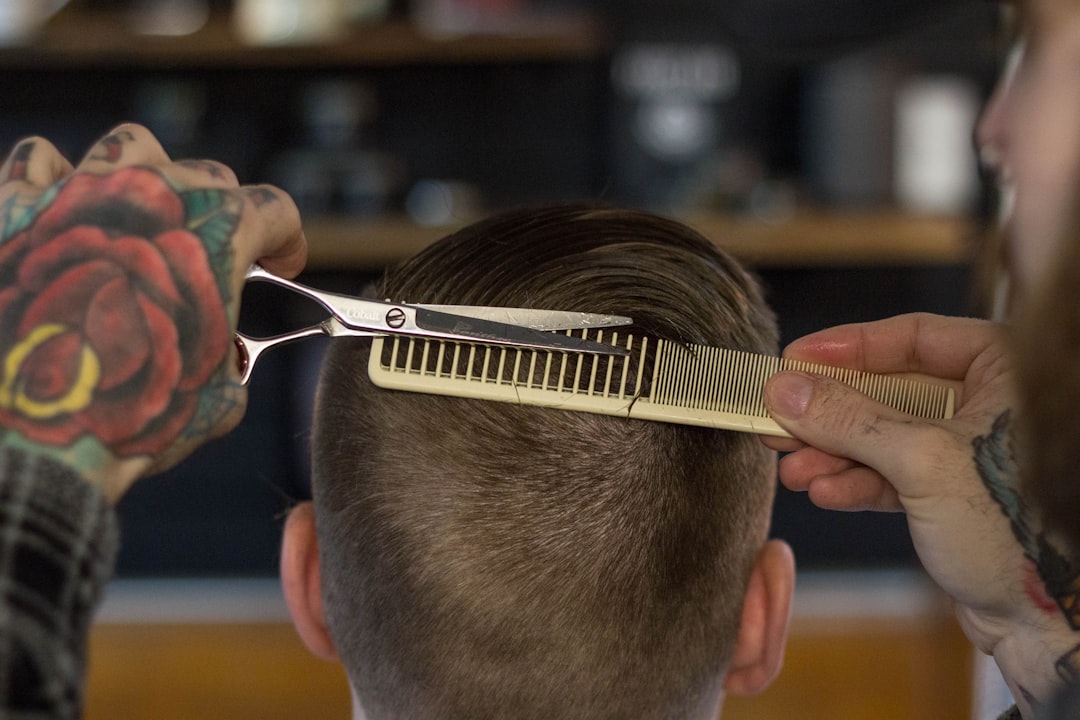
Photo by Jonathan Cooper on Unsplash
Disclosure: Some links below are affiliate links. If you buy through them we may earn a small commission at no extra cost to you. This never affects our recommendations.
Those links point to a product category on Amazon, not to one named model: we cannot verify a single unit’s current price, stock or revision for you, so we send you to the shelf rather than to a guess.
We don’t quote prices for third-party products: list prices change often and we can’t verify them for you. Check the vendor’s or retailer’s own current listing.
Key Takeaways
Hair clipper overheating is often caused by poor maintenance or incorrect usage. 5 common causes include dirty blades, incorrect oiling, and blocked air vents. To prevent overheating, it’s essential to understand the causes and take proactive steps to maintain your clippers.
Part of our complete guide: for the full picture, see Hair Clippers #6 Guard: What It Actually Does & How to Use It.
Introduction to Hair Clipper Overheating
Hair clipper overheating occurs when the motor or blades exceed their designed temperature threshold, often caused by friction or insufficient cooling. Excessive heat can reduce a clipper’s lifespan and may lead to performance issues. The consequences of overheating on hair clippers and user safety are significant.
Understanding Hair Clipper Overheating
Hair clipper overheating occurs when the motor or blades exceed their designed temperature threshold, often caused by friction or insufficient cooling. The consequences of overheating on hair clippers and user safety are significant. Overheating can cause permanent damage to the motor, leading to costly repairs or replacement. Additionally, overheating may pose safety risks, such as burns or electrical hazards, emphasizing the importance of proper maintenance.
Definition and Risks
A hair clipper is considered overheated when its temperature exceeds safe operating levels. Prolonged running at high temperature can damage internal components. Overheating may also create safety hazards, including potential fire risks if not addressed. Understanding these factors helps users take proactive steps to ensure safe and effective operation.
5 Common Causes of Hair Clipper Overheating
Hair clipper overheating typically stems from a few key issues. Dirty or clogged blades, incorrect oiling, and blocked air vents are among the most frequent causes. Other factors, such as worn or damaged blades and using the wrong type of oil, can also contribute to overheating.
Dirty or Clogged Blades
Dirty or clogged blades force the motor to work harder, generating excessive heat. The Andis T-Outliner and Wahl Senior clippers, for example, may overheat if blades aren’t cleaned regularly. Brush the blades out with a soft brush after each use — that is what stops the buildup before it becomes heat.
Incorrect Oiling or Lubrication
Using the wrong type of oil or over-lubricating can increase friction, causing the motor to overheat. Use the light clipper oil your own machine’s manual calls for: heavy or household oils gum up the blade and raise friction.
Blocked Air Vents or Poor Ventilation
Clogged air vents restrict airflow, preventing the motor from cooling properly. Keep the vents clear: once the intake is packed with cut hair, the motor has no way to shed heat.
Worn or Damaged Blades
Dull or damaged blades force the motor to exert more effort, generating excess heat. Inspect the blades regularly and replace them once the edge is rounded or chipped.
Using the Wrong Type of Oil
Some oils leave residue on blades, increasing friction and heat. Use a light clipper oil rather than a household or motor oil, and check the lubricant your own machine’s manual calls for.
How to Fix and Prevent Hair Clipper Overheating
Proper care is essential to keep hair clippers functioning efficiently. Two primary issues—dirty blades and improper oiling—often lead to overheating. Addressing these can prevent long-term damage.
Regular Cleaning and Maintenance
Frequent cleaning helps prevent overheating. Clean the blades and apply oil after each use. Keeping air vents clear also improves cooling.
Replacing Worn or Damaged Blades
Dull blades increase motor strain, leading to overheating. Replace the blades when the edge is rounded or chipped rather than on a fixed calendar, and fit only blades listed as compatible with your model.
Choosing the Right Clipper
Some clippers are more prone to overheating than others. Rotary motors tend to generate more heat than pivot motors. When selecting a clipper, consider motor type and cooling features.
Choosing the Right Hair Clippers to Minimize Overheating
To reduce overheating risks, prioritize clippers with cooling systems and efficient motors. Key features to consider include motor type, blade material, and air vent design.
Features to Look for in Hair Clippers
- Pivot motors generate less heat than rotary motors.
- Stainless steel blades are durable and less prone to overheating.
- Large air vents improve airflow, reducing heat buildup.
Frequently Asked Questions
Why do my hair clippers get hot when I use them? Hair clippers may overheat due to dirty blades, incorrect oiling, or blocked air vents. Clean, properly lubricated blades are what keep the running temperature down.
How can I prevent hair clipper overheating? Regular maintenance is key:
- Clean blades after each use.
- Apply the correct amount of oil.
- Ensure air vents remain unobstructed.
What are the consequences of using overheating clippers? Overheating can cause permanent motor damage, leading to costly repairs or replacement. A clipper that is repeatedly allowed to run hot can fail early.
Choosing the Right Hair Clippers
To minimize overheating, select clippers with high-quality motors and effective cooling. Check the motor type and the vent layout on the specific model you are considering rather than assuming it from the brand.
When choosing clippers, consider:
- Motor type (pivot vs. rotary).
- Blade material (high-carbon steel vs. stainless steel).
- Cooling features (air vents, cooling systems).
Regular maintenance remains the best way to prevent overheating.
Final Thoughts
To minimize hair clipper overheating, choose clippers with efficient motors and cooling systems, and maintain them properly. Regular cleaning and oiling is the single biggest lever on overheating.
When selecting clippers, consider:
- Motor type (pivot motors generate less heat than rotary motors).
- Blade material (stainless steel or high-carbon steel).
- Cooling features (air vents, cooling systems).
By following proper maintenance practices, users can ensure long-term reliability and safe operation.
Want to go deeper? Read our guide on Why Are My Clippers Pulling Hair? 7 Fixes.
Keep reading
Want to go deeper? Read our guide on Fix Hair Clippers Not Cutting: 7 Expert Solutions.