Clippers Snagging on Thick Curly Hair? 9 Expert Fixes
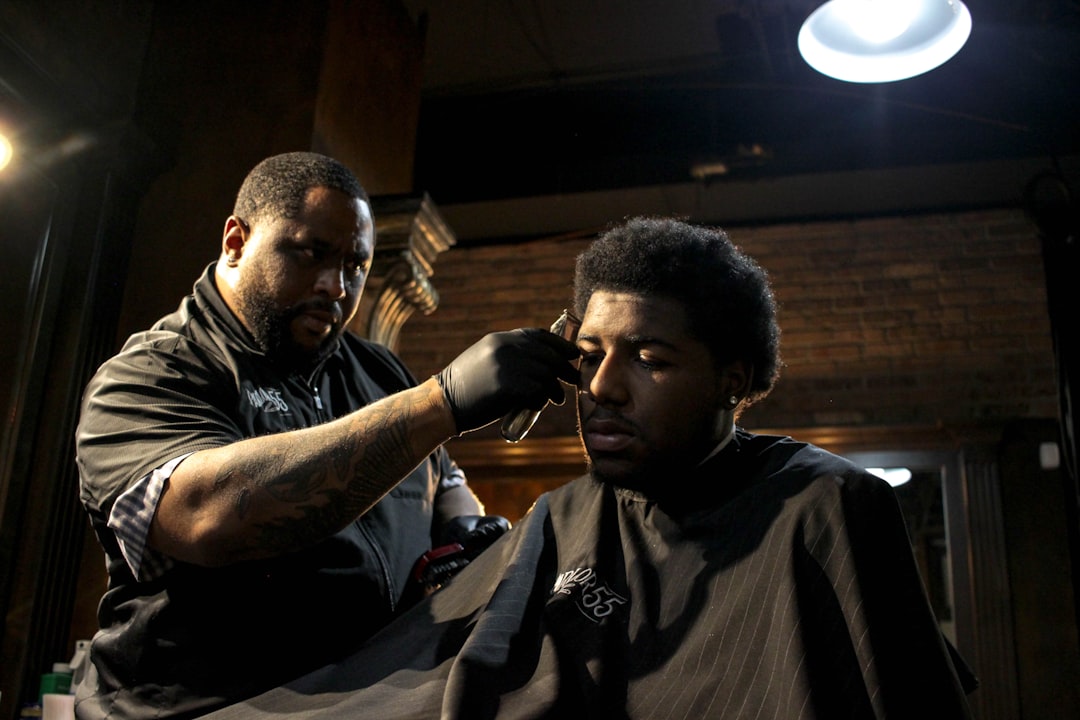
Photo by Chris Knight on Unsplash
Disclosure: Some links below are affiliate links. If you buy through them we may earn a small commission at no extra cost to you. This never affects our recommendations.
Those links point to a product category on Amazon, not to one named model: we cannot verify a single unit’s current price, stock or revision for you, so we send you to the shelf rather than to a guess.
We don’t quote prices for third-party products: list prices change often and we can’t verify them for you. Check the vendor’s or retailer’s own current listing.
Key Takeaways
Clippers snagging on thick curly hair can be caused by dull blades, incorrect blade alignment, or insufficient lubrication. Regular maintenance and proper technique can help prevent snagging. 9 expert fixes can help overcome common issues.
Part of our complete guide: for the full picture, see Hair Clippers #6 Guard: What It Actually Does & How to Use It.
What to Compare Before You Buy
We haven’t run these machines through a curly-hair test bench, so we’re not going to tell you which one “struggles” — that is the kind of claim you can only make with the clipper in your hand. What we can do is point at the four things on a spec sheet that actually decide whether a clipper copes with dense, coily hair, so you can compare any two models yourself:
| What to check | Why it decides the outcome | Where you find it |
|---|---|---|
| Motor type (rotary / pivot / magnetic) | Rotary and pivot motors hold torque when the blade loads up; magnetic ones are built for speed on fine hair | Manufacturer’s spec sheet, usually the first line |
| Blade material and cutting angle | A steel or ceramic blade ground for a deeper bite feeds thick hair instead of pushing it | Blade model number on the box, then the blade maker’s chart |
| Taper lever vs fixed blade | A lever lets you open the cut mid-pass when the hair packs in, without swapping guards | Product photos — the lever sits on the left of the blade |
| Weight and cord vs cordless | Weight is published in grams or ounces; it decides how your wrist holds up over a full head, not how well it cuts | Spec sheet |
Take those four to the shelf or the product page and the comparison makes itself. If a listing doesn’t publish the motor type, that absence is the answer.
Understanding Clippers and Curly Hair
Curly hair isn’t just a different texture—it’s a structural puzzle that standard clippers often fail to solve. Each strand twists, coils, or spirals in unpredictable patterns, creating irregular cross-sections that range from oval to flat. This irregularity makes curly hair more prone to snagging than straight hair. When clippers tug or pull, they don’t just cause discomfort; they can fracture the hair shaft, leading to split ends or breakage. The challenge isn’t just cutting length—it’s preserving curl integrity while navigating the hair’s natural resistance.
The right clippers don’t just cut; they adapt to the curl’s geometry. Unlike straight hair, which lies flat against the blade, curly hair bunches and tangles as it’s compressed. Many barbers report that curly-haired clients experience snagging during clipper cuts, often due to blunt or misaligned blades. The solution lies in three core factors: blade material, cutting angle, and motor speed. Ignoring any of these can turn a routine trim into a frustrating battle against the hair’s natural tendencies.
Choosing the Right Clippers: Blade Quality and Design
Not all clipper blades are created equal—especially for curly hair. The material and edge sharpness determine whether the blade glides or grabs. Here’s what to prioritize:
-
Ceramic vs. Steel Blades:
- Ceramic runs cooler than steel, which is why it is the usual recommendation for long sessions on dense, coarse hair. It is also more brittle: a dropped ceramic blade chips.
- High-carbon steel is the default on most clippers and takes a fine edge, but it rusts if you skip the oil.
- Coated blades are sold on corrosion resistance. What the coating does to edge life is a question for the manufacturer’s own blade page, and it is worth asking before you pay the premium.
- Whichever material your clipper came with is printed on the blade or in the manual — check there before you buy a replacement, because blade fitment is model-specific.
-
Blade Teeth and Gapping:
- Fine-tooth blades cut a cleaner line, which is why they are used for outlining and detail work; the same close spacing is what catches on tight curls.
- Wide-tooth blades (e.g., Wahl Senior) reduce snagging by spacing out the hair before cutting. They’re a safer bet for thick, coily hair (4A–4C) but may leave uneven patches if the hair isn’t stretched.
- Adjustable blades (like the BaBylissPRO FX3) let you customize the gap between the top and bottom blades. A wider gap reduces pull on tight curls, while a narrower gap works for looser waves.
-
Blade Angle and Cutting Action:
- Zero-gap blades (where the top and bottom blades touch) are too aggressive for curly hair, often causing breakage. Some professionals recommend avoiding zero-gap for textures tighter than 3C.
- Staggered blades (e.g., Andis Master) have offset teeth that reduce bulk snagging by cutting hair in stages. This design is critical for high-density curls, where a single pass can overwhelm the blade.
- Edge case: Reverse blades (like those in the Wahl Legend) cut in the opposite direction of standard blades, which can minimize pull on coarse, wiry hair but may feel unintuitive for beginners.
Motor Speed and Power: Why It Matters
The motor’s torque and speed directly impact how clippers handle curly hair. A weak motor struggles against resistance, causing the blades to stall or snag. Here’s how to match the motor to the curl:
-
Rotary Motors (e.g., Andis Master, Oster Classic 76):
- Pros: High torque, durable, and less likely to overheat. Ideal for thick, dense curls (4B–4C) where a strong, steady cut is needed.
- Cons: Heavier and louder than magnetic motors. The Andis Master, for example, weighs 1.5 lbs—fine for professionals but tiring for home use.
- Best for: Barbershops or frequent use on coarse hair.
-
Magnetic Motors (e.g., Wahl Magic Clip, BaBylissPRO MetalFX):
- Pros: Lighter, faster blade speed, and quieter. The Wahl Magic Clip weighs just 10 oz, making it easier to maneuver for detailed work.
- Cons: Lower torque—can struggle with dense hair if the blades aren’t sharp. Not ideal for 4C textures without pre-stretching the hair.
- Best for: Home use, loose curls (2A–3B), or fades where speed is prioritized over power.
-
Pivot Motors (e.g., Andis Supra ZR II, Wahl Senior):
- Hybrid design combining rotary torque with magnetic speed. The Andis Supra ZR II is built around that trade-off, holding cutting power at speed, making it a versatile choice for mixed textures.
- Edge case: Battery-powered clippers (e.g., Wahl Cordless Magic Clip) lose torque as the battery drains, which can increase snagging on thick hair. Always charge fully before use.
Pre-Cutting Prep: Lubrication and Technique
Even the best clippers will snag if the hair isn’t properly prepped. Here’s how to minimize resistance before the first pass:
-
Oiling the Blades:
- Why it matters: Dry blades generate heat and friction, which softens the hair and makes it more prone to snagging.
- How to do it:
- Apply 2–3 drops of clipper oil (e.g., Andis Clipper Oil, Wahl Blade Oil) to the blade’s teeth before and after each use.
- Run the clippers for 10–15 seconds to distribute the oil evenly.
-
Stretching the Hair:
- Why it works: Stretching aligns the curls, reducing bulk and tangles before cutting. Methods include:
- Finger-coiling: Gently pull sections taut between fingers while cutting.
- Blow-drying with a diffuser: Dry hair to a manageable level before cutting.
- Twist-outs or braids: Section hair into twists or braids, cut the ends, then unravel.
- Why it works: Stretching aligns the curls, reducing bulk and tangles before cutting. Methods include:
-
Cutting Direction:
- With the grain: Cutting in the direction of the curl’s growth reduces resistance but may leave uneven lengths.
- Against the grain: Cutting opposite the curl’s growth gives a cleaner line but increases snagging risk.
Troubleshooting Common Issues
Even with the right clippers, curly hair can rebel. Here’s how to handle edge cases:
-
Snagging Mid-Cut:
- Cause: Dull blades, too-fast speed, or uneven pressure.
- Fix:
- Stop immediately—forcing the clippers will break the hair.
- Re-oil the blades and reduce speed (if adjustable).
- Switch to a wider blade or stretch the hair before continuing.
-
Uneven Patches:
- Cause: Inconsistent pressure or blade misalignment.
- Fix:
- Check blade alignment—most clippers have adjustment levers
9 Expert Fixes for Clippers Snagging on Thick Curly Hair
Clippers snagging on thick curly hair can be a frustrating experience, but there are several expert fixes that can help. The key to resolving this issue lies in understanding the root causes, such as dull blades, incorrect blade alignment, or insufficient lubrication.
To tackle this problem, it’s essential to consider the unique characteristics of curly hair and how it interacts with clippers.
Fix 1: Sharpen Your Blades
Dull blades are a common cause of clippers snagging on thick curly hair. Sharpening your blades regularly can make a significant difference. How often depends on how much you cut and how coarse the hair is; sharpen when the paper test starts to fail rather than on a calendar.
Fix 2: Adjust Your Blade Alignment
Incorrect blade alignment can also lead to snagging. Adjusting your blade alignment to the recommended setting can help. Check your clipper’s manual for specific instructions on how to adjust the blade alignment.
Fix 3: Use the Right Clipper Features
Using the right clipper features can make a big difference when cutting curly hair. Look for clippers with adjustable blade lengths and curly hair-specific attachments.
Fix 4: Lubricate Your Clippers
Insufficient lubrication can cause clippers to snag on curly hair. Lubricating your clippers regularly can help keep them running smoothly. Use a high-quality clipper oil, such as the Andis Clipper Oil.
Fix 5: Clean and Maintain Your Clippers
Regular cleaning and maintenance can help prevent snagging. Clean your clippers after each use and store them properly to prevent damage.
To choose the right clippers for curly hair, consider the following decision flowchart:
- Do you have very thick curly hair? If yes, consider clippers with high-torque motors.
- Do you have medium-thick curly hair? If yes, consider clippers with adjustable blade lengths.
- Do you have fine curly hair? If yes, consider clippers with curly hair-specific attachments.
By following these expert fixes and considering the unique characteristics of curly hair, you can reduce the risk of clippers snagging and achieve a smooth, even cut.
Preventing Future Snagging
Snag-free cuts on thick curly hair start before the motor even spins. A pre-cut routine and a weekly maintenance schedule can eliminate many pull-and-stall incidents—no blade swap required.
The 30-Second Pre-Cut Checklist
- Blade angle: Tilt the clipper away from the scalp to let curls slide under the teeth instead of jamming.
- Speed setting: Use medium speed on Andis Master or Wahl Magic Clip.
- Pre-oil: Apply a few drops of oil to the blade’s teeth before the first pass.
No clipper will stay snag-free forever—blades dull after use, regardless of brand. Replace them proactively, not after the first tug.
By following these tips and maintaining your clippers regularly, you can ensure a snag-free cutting experience and achieve professional-looking results on even the most challenging curly hair types.
Conclusion and Final Thoughts
Thick curly hair doesn’t have to turn every haircut into a tug-of-war. The fix isn’t magic—it’s proper technique and maintenance. The right clippers don’t just cut; they adapt to the curl’s geometry.
One last pro tip: Pre-cutting oil isn’t just for maintenance—it’s a lubricant and a detangler. Apply a small amount of oil to the hair before cutting. That’s the difference between a smooth pass and a clipper that jerks to a halt mid-cut.
Keep reading
Keep exploring the topic with these related guides: