Clipper Blades Won't Stay Aligned? 7 Fixes to Try
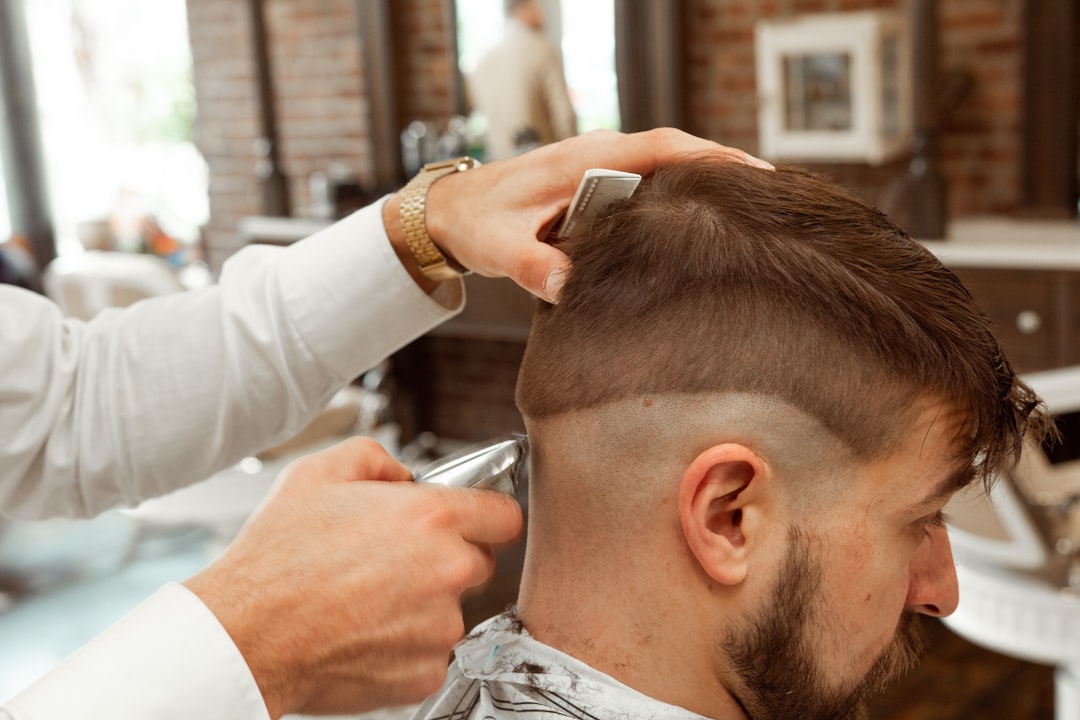
Photo by Michael DeMoya on Unsplash
Disclosure: Some links below are affiliate links. If you buy through them we may earn a small commission at no extra cost to you. This never affects our recommendations.
Those links point to a product category on Amazon, not to one named model: we cannot verify a single unit’s current price, stock or revision for you, so we send you to the shelf rather than to a guess.
We don’t quote prices for third-party products: list prices change often and we can’t verify them for you. Check the vendor’s or retailer’s own current listing.
Clipper Blades Won’t Stay Aligned? 7 Fixes to Try (2026 Guide)
Key Takeaways
Clipper blades won’t stay aligned due to worn or damaged blades, incorrect installation, or neglected maintenance. Misalignment causes uneven cuts, hair pulling, and reduced performance. Regular cleaning, lubrication, and sharpening prevent most issues. If problems persist, check blade installation, adjust the gap, or replace worn parts.
Part of our complete guide: For the full picture, see Hair Clippers #6 Guard: What It Actually Does & How to Use It.
Why Blade Alignment Matters (And How to Spot Misalignment)
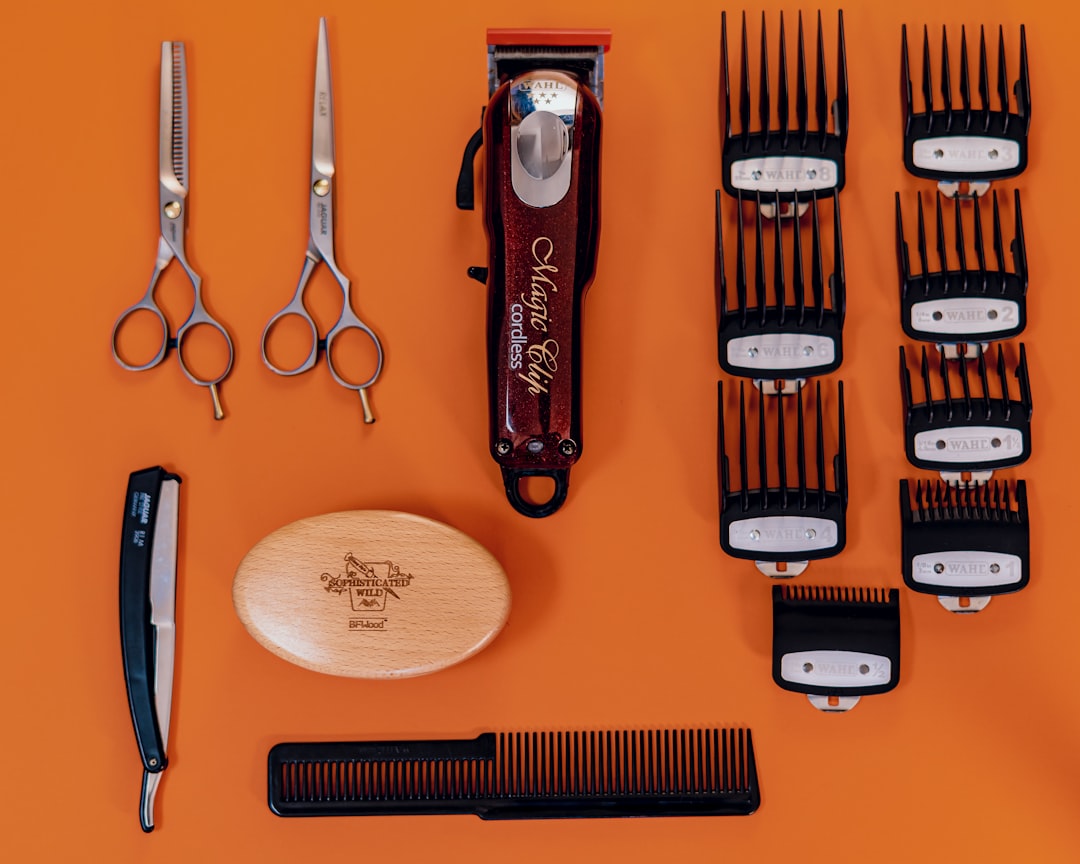
Proper blade alignment ensures smooth, even cuts and prevents damage to your clippers. When blades are misaligned, they:
- Pull hair instead of cutting cleanly
- Overheat due to increased friction
- Wear out faster from uneven stress
Signs of misaligned blades include:
- Vibrating or rattling during use
- Uneven hair length after cutting
- Excessive heat (blades feel hot to the touch)
- Hair getting caught between blades
The ideal blade gap is minimal—just enough to allow hair to pass through without resistance. Too much gap = uneven cuts; too little = friction and overheating.
How to Align Clipper Blades: A 6-Step Home Guide
Step 1: Clean the Blades Thoroughly
Dirt, hair, and oil buildup can force blades out of alignment. Use:
- A soft brush (like this clipper cleaning brush) to remove debris
- A damp cloth to wipe away residue
- Compressed air (for stubborn hair in crevices)
Pro Tip: Clean blades after every use to prevent buildup.
Step 2: Inspect for Wear or Damage
Check for:
- Nicks or bends in the blade edges
- Rust or corrosion (common in humid environments)
- Loose screws holding the blade assembly
If blades are worn beyond repair, replace them with OEM-compatible parts for your model.
Step 3: Use a Blade Alignment Tool
A precision alignment tool (like this clipper blade alignment tool) ensures the gap is set correctly. Follow these steps:
- Insert the tool into the blade gap.
- Adjust until the tool fits snugly (no wiggle room).
- Secure screws firmly but not overtightened (over-torquing can warp blades).
Warning: Never use a screwdriver or pliers—this can damage the blade mechanism.
Step 4: Lubricate Properly
Use only clipper-specific oil (like this clipper oil). Avoid:
- Cooking oil (can gum up blades)
- WD-40 (not designed for precision tools)
- Motor oil (too thick, attracts debris)
Apply 2-3 drops to the blade pivot points and glide mechanism.
Step 5: Check Blade Installation
If blades keep shifting:
- Remove and reinstall them carefully, ensuring they sit flush.
- Verify the blade type matches your clipper model (some brands require specific fits).
- Tighten screws in a star pattern (not just one side) to prevent warping.
Step 6: Sharpen the Blades
Dull blades lose alignment faster. Use a:
- Professional sharpening service (for high-end clippers)
- DIY sharpening kit (like this clipper blade sharpening kit)
Sharpening frequency:
| Usage Level | Recommended Sharpening Interval |
|---|---|
| Light (1-2x/week) | Every 3-4 months |
| Moderate (3-5x/week) | Every 2 months |
| Heavy (Daily use) | Every 1-2 months |
7 Fixes for Clipper Blades That Won’t Stay Aligned
The Home Barber’s Clipper Fault-Finding Manual — If you’ve tried all the basic fixes—cleaning, lubricating, adjusting the gap—and your clipper blades still refuse to stay aligned, the issue might be deeper than surface-level maintenance. diagnose clipper blade misalignment issues step-by-step
1. Deep Clean the Blade Assembly
Why it works: Hair and oil buildup can physically push blades out of alignment. How to do it:
- Disassemble the blade assembly (if possible).
- Soak in warm, soapy water for 5 minutes.
- Scrub with a toothbrush (gentle on metal).
- Dry completely before reassembling.
2. Replace Worn or Damaged Blades
Signs you need new blades:
- Visible nicks along the cutting edge
- Uneven wear (one side sharper than the other)
- Blades wobble when installed
Pro Tip: Buy OEM replacement blades (not generic) to match your clipper’s specifications.
3. Adjust the Blade Gap Precisely
Use a blade gauge (included with some clippers) or a feeler gauge to set the gap:
- 0.010”–0.015” for most clippers (check your manual).
- Too tight? Blades will overheat.
- Too loose? Hair will pull and cut unevenly.
4. Tighten or Replace Loose Screws
Loose screws cause blades to shift. Use:
- A Torx or Phillips screwdriver (match your clipper’s head).
- Torque specifications from the manufacturer (over-tightening warps blades).
If screws are stripped:
- Apply thread-locking adhesive (like Loctite) before retightening.
- Replace the blade assembly if screws are damaged.
5. Lubricate the Pivot Points
Blades pivot on small pins—these need oil to move freely. Apply:
- 1 drop of clipper oil to each pivot point.
- Avoid over-oiling (excess attracts hair and debris).
6. Sharpen the Blades Professionally
If DIY sharpening isn’t cutting it:
- Take blades to a barber supply shop for diamond sharpening.
- Ask for “V-groove” sharpening (best for clippers).
7. Replace the Clipper Head (Last Resort)
If all else fails, the blade assembly may be worn out. Check:
- Cracks or warping in the head.
- Seized pivot points (blades won’t move at all).
- Corrosion from moisture exposure.
Solution: Order a replacement head for your exact model.
Maintenance Tips to Keep Blades Aligned Long-Term
Daily Care Routine
| Task | How Often | Why It Matters |
|---|---|---|
| Clean blades | After every use | Prevents hair/oil buildup |
| Wipe down | After every use | Removes moisture and sweat |
| Store properly | Always | Protects from dust and humidity |
Weekly Deep Clean
- Disassemble the blade assembly (if possible).
- Soak in warm water + mild soap for 10 minutes.
- Brush out hair with a toothbrush.
- Dry thoroughly with a clean microfiber cloth.
- Re-lubricate pivot points.
Monthly Sharpening Check
- Test cut on a towel or scrap fabric—if hair pulls, it’s time to sharpen.
- Use a blade gauge to check gap consistency.
Storage Best Practices
- Avoid humid places (bathrooms, kitchens).
- Use a protective case when not in use.
- Store blades open (if possible) to prevent warping.
When to Seek Professional Help
If DIY fixes don’t work, consider: ✅ Barber shop service – Many shops offer blade alignment and sharpening. ✅ Manufacturer support – Some brands (like Andis, Wahl, or Oster) provide repair services. ✅ Local tool repair shops – Specialists can diagnose mechanical issues.
Red flags for professional help:
- Blades won’t move at all (seized mechanism).
- Visible cracks in the clipper head.
- Electrical issues (if cordless).
Frequently Asked Questions
Why Do My Clipper Blades Keep Falling Out of Alignment?
The most common cause is worn pivot points or loose screws. Other culprits:
- Incorrect blade installation (not seated properly).
- Excessive oil buildup (attracts hair, jams blades).
- Blade wear (uneven edges cause misalignment).
Can I Use Any Oil on My Clippers?
No. Only use clipper-specific oil (like this). Other oils (WD-40, cooking oil) can:
- Gum up the mechanism.
- Attract dust and hair.
- Corrode metal parts over time.
How Often Should I Sharpen My Clipper Blades?
| Usage Level | Sharpening Frequency |
|---|---|
| Light (1-2x/week) | Every 3-4 months |
| Moderate (3-5x/week) | Every 2 months |
| Heavy (Daily use) | Every 1-2 months |
Pro Tip: If you hear grinding noises or feel resistance, sharpen immediately.
What’s the Best Way to Store Clippers?
- Use a hard case (protects from drops).
- Store in a dry place (prevents rust).
- Avoid extreme temperatures (heat warps plastic, cold makes oil thick).
- Keep blades open (if possible) to prevent warping.
Can I Fix Misaligned Blades Without a Tool?
Temporarily, you can:
- Tighten screws to hold blades in place.
- Use a thin credit card to check gap (should be 0.010”–0.015”).
- File edges gently (if dull) with fine-grit sandpaper.
But for precision, a blade alignment tool is essential.
Final Thoughts: Keep Your Clippers Running Smoothly
Misaligned clipper blades are usually fixable with basic maintenance. The key steps:
- Clean regularly (prevents buildup).
- Lubricate properly (keeps pivot points smooth).
- Check alignment (use a gauge or tool).
- Sharpen routinely (extends blade life).
- Replace worn parts (don’t wait until they fail).
For most users, a monthly cleaning + quarterly sharpening routine keeps clippers in top shape. If you’re a professional barber, consider:
- Daily deep cleans.
- Weekly lubrication checks.
- Professional sharpening every 1-2 months.
By following these steps, you’ll avoid uneven cuts, overheating, and premature wear—keeping your clippers sharp, aligned, and long-lasting.
Keep reading
Want to go deeper? Read our guide on Fix Hair Clipper Won’t Hold Charge: 6 Expert Solutions.
Next step: For a no-nonsense, time-saving way to pinpoint the root cause of your clipper’s alignment problems, consider a structured troubleshooting resource that cuts through the guesswork. troubleshoot clipper malfunctions efficiently